Members
|
|
|
|
Jaime Hyman, MD is an Associate Professor of Anesthesiology, Division Chief of Ambulatory Anesthesiology, and director of the Head and Neck Anesthesiology Fellowship at the Yale School of Medicine. Dr Hyman is also a Director on the Society for Ambulatory Anesthesia (SAMBA) Board and chairs the SAMBA Education Committee. She has presented nationally and internationally on topics related to ambulatory anesthesiology and head and neck anesthesiology. Her clinical interests include anesthesia for laryngology, endocrine surgery, head and neck cancer surgery, and difficult airway management. Her clinical research focuses on patient-centered outcomes after ambulatory surgery and ENT surgery. |
|
|
Originally from Milan, Italy, Dr. Cavallone graduated from the Medical School of the “Universita’degli Studi di Milano” in 1993. She completed her anesthesiology residency at the same medical school in 1997, and continued to work as a consultant in Anesthesiology and Intensive Care in Milan until 2004, when she was offered a faculty position at the Department of Anesthesiology at Washington University in St. Louis. Dr. Cavallone’s major clinical, educational and research activities are currently directed at patient safety, specifically in the fields of airway management and anesthesia for head and neck surgery. As a leader of the clinical head and neck anesthesia services at Wash.U., Dr. Cavallone has systematically investigated safe extubation practices, and developed an innovative extubation algorithm for major neck and upper airway surgery. Dr. Cavallone is also responsible for devising and coordinating a unique, multifaceted anesthesia teaching curriculum for both, the head and neck anesthesia residents, and the ENT surgical residents. Dr. Cavallone has authored several chapters on ENT anesthesia and airway management topics in major textbooks and organized numerous workshops on airway management for residents and medical students. |
|
|
Dr. Levine is an expert in the anesthetic management for otolaryngologic surgery, and is senior editor and major contributing author of the reference textbook “Anesthesiology and Otolaryngology”, an innovative collaborative work, which was published by Springer in 2013. Over the course of his 20-year tenure Dr. Levine has developed an innovative clinical program incorporating the extensive use of regional anesthesia for head and neck surgical procedures for intraoperative and postoperative care, and for airway management. Some of Dr. Levine’s research focuses on the use of regional anesthesia for sinus, nasal and thyroid surgery. A prolific speaker, Dr. Levine lectures nationally on TIVA and regional anesthesia for head and neck surgery. He co-moderated (with his colleague Dr. Samuel DeMaria) the first Workshops on Regional Anesthesia for Head and Neck Surgery at both the ASA 2013 and the NYSSA PGA 2013. Recognized as an expert in simulation, Dr. Levine developed innovative programs of simulation-based education and assessment. His team’s CARE (Clinical Anesthesia ReEntry) program is perhaps the most notably known for simulation-based assessment and retraining for anesthesiologists seeking clinical reentry. Dr. Levine is an editor on the ASA Editorial Board on Simulation Education that oversees the ASA simulation endorsement program, and is also a site visitor for the Society in Simulation Healthcare accreditation program. As one of the first programs to be awarded endorsement, Dr. Levine has been the program director of the ASA endorsed HELPS (Human Emulation, Education, and Evaluation Lab for Patient Safety and Professional Study) Center Program, and has been conducting courses to satisfy MOCA ® Part IV requirements for ABA re-certification since 2010. In 2013 Dr. Levine served as the senior editor of “The Comprehensive Textbook of Healthcare Simulation”, a 50 chapter, multidisciplinary, international work published by Springer. As a testament to his teaching abilities, Dr. Levine has been the recipient of numerous departmental, institutional, and international education awards; most notably he was the 2009 recipient of the International Anesthesia Research Society Life Time Achievement Award for Teaching. |
|
|
Dr. Aziz’s major academic interests are focused on airway management, particularly the role of video laryngoscopy for the management of the difficult airway. He also has an interest in outcomes research as it relates to database management. Clinically, Dr. Aziz is active in providing anesthesia for otolaryngologic surgical procedures. He also serves several administrative roles at OHSU, such as director of adult inpatient anesthesia, medical director of post-anesthesia care, departmental informatics officer, and clinical champion of the anesthesia information management system. Nationally, Dr. Aziz serves on the multi-centered perioperative outcomes group and American Society of Anesthesiology research committee. |
|
|
Dr. Healy is the Director of Head and Neck Anesthesia at the University of Michigan in Ann Arbor, where he has been a faculty member since 2005. Raised and educated in Cambridge, England, he completed his medical school training at St Bartholomew’s and The Royal London Hospital in 1996. He completed both Internal Medicine and Anesthesiology boards in the UK, becoming both a Member of The Royal College of Physicians (MRCP) and Fellow of the Royal College of Anesthetists (FRCA). His interests include novel airway device development and performance assessment and clinical outcomes research. Dr. Healy has lectured, published book chapters and original articles on airway management and devices. He is the course director of the Annual Interdisciplinary Airway Management Course of the University of Michigan. He is an advisory board member of M-HEAL (Michigan Health Engineered for All Lives), a biomedical engineering group that applies novel engineering solutions to the health problems of the developing world. |
|
|
Sam developed great interest in head and neck anesthesia and advanced airway management during his residency experience. Throughout his fellowship and time as faculty, he has taken interest in airway risk assessment and intraoperative airway management for patients with complex head and neck pathologies including head and neck cancer, subglottic stenosis, laryngeal disease, cervical spine disease, and laryngotracheal trauma. Dr. Schechtman spends significant time teaching advanced airway management skills and airway risk assessment approaches to other providers, faculty, fellows, residents, and medical students in training at the University of Michigan. His current research interests include perioperative predictors of head and neck free flap failure as well as predictors of challenging airway management using video laryngoscopy, and airway management for patients with a prior history of a "challenging airway." Additionally, Sam focuses investigation on perioperative approaches to management of complex head and neck pathologies, institutional airway management safety, and management of the cannot intubate and cannot oxygenate scenario. Dr. Schechtman has helped to lead institutional and international airway workshops. |
|
|
A Bay Area native, Dr. Saxena was born in Mountain View, CA and received his undergraduate degree from the University of California, Berkeley. He received his medical degree from the University of California, San Francisco and then moved south to complete his anesthesia residency at Stanford. During residency he was always attracted to advanced airway management techniques and focused on this area during his last year of training. After completing residency, he was excited to stay on at Stanford as an attending and joined the Head and Neck Anesthesia and Advanced Airway Management team. Dr. Saxena enjoys working with his ENT surgical and anesthesia colleagues, teaching residents in the operating room as part of the highly-rated Head and Neck Anesthesia / Advanced Airway Management rotation, and also teaching at the annual Stanford Advanced Airway Management and Fibroptic Course. Dr. Saxena’s current research interests include the use of Transnasal Humidified Rapid Insufflation Ventilatory Exchange (THRIVE) for operative laryngoscopy. Outside of work, Dr. Saxena enjoys traveling, hiking, and seeing his Bay Area sports teams in action with his wife and friends. |
|
|
Dr. Damrose attended the UCLA School of Medicine, earning his M.D. degree in 1995 and completing a thesis in the field of head and neck surgery. He remained at UCLA for training in general surgery from 1995 to 1997, and completed his UCLA otolaryngology/head and neck residency in 2001. After serving as clinical instructor in surgery and completing a two-year clinical and research fellowship in laryngeal surgery at UCLA under Gerald S. Berke, M.D. Dr. Damrose joined the Stanford faculty in 2003. Dr. Damrose’s clinical interests include conservation laryngectomy, voice rehabilitation of the total laryngectomy patient, endoscopic therapy for head and neck cancer, and Transoral Robotic Surgery (TORS). Dr. Damrose is a diplomate of the American Board of Otolaryngology/Head and Neck Surgery. He is a member of the American Academy of Otolaryngology/Head and Neck Surgery, the American College of Surgeons, the American Head and Neck Society, and The Triological Society. Dr. Damrose currently serves as medical director of the International Association of Laryngectomies, medical advisor to the Foundation for Voice Restoration, and program director for the American Broncho-Esophagological Association. |
|
|
Dr. Karmakar graduated from M.S. Ramaiah Medical College, Bangalore, India, in 2011 and completed his anesthesiology residency at HMC in 2019, as part of its inaugural ACGME-I accredited residency cohort where he was awarded the best anesthesia scholar award for 2017-2018. He subsequently completed a three-year ICPNT-accredited neuroanesthesiology fellowship in 2022. He holds an Arab Board Certificate in Anesthesia and Intensive Care, Membership of the College of Anaesthesiologists of Ireland (by exam), and the European Diploma in Anaesthesiology and Intensive Care (by exam). Dr. Karmakar has a longstanding interest in medical education, particularly airway management training, clinical mentorship, and perioperative patient safety. During his residency, he served as an instructor for the Fundamentals of Airway Management (FOAM) workshops for medical students from Weill Cornell Medicine-Qatar and Basic Airway Workshops for students from Qatar University College of Medicine. He continues to contribute to undergraduate medical education as part of the airway workshop faculty for the Anesthesia and Critical Care Clerkships at Weill Cornell Medicine-Qatar. At HMC, he is a faculty member of the anesthesiology residency program and regularly teaches and mentors anesthesiology residents, emergency medicine trainees, medical intensive care fellows, as well as respiratory therapy students from the University of Doha for Science and Technology who rotate in the department. Since 2025, he has also served as an examination coordinator, faculty member and examiner for the Qatar Board of Medical Specialties - Anesthesiology exams. Dr. Karmakar is an active member of the European Airway Management Society and has regularly attended the European Airway Congress since 2022. His academic work has received recognition at several congresses, including the Best Case Presentation Abstract Award in 2023, selection among the best research abstracts in 2023 and 2024, and third place in the Best Abstract Presentation Session at the European Airway Congress in 2026. In 2025, he received the International Airway Management Society Wellead Young Scholars Travel Award during the World Airway Management Meeting in Florence, Italy. Dr. Karmakar has also contributed to international airway education as an invited speaker and life support workshop instructor at the 17th Sarajevo Anaesthesia Forum in 2025 and as a Can't Intubate, Can't Oxygenate (CICO) workshop instructor at the Aotearoa New Zealand Anaesthesia Annual Scientific Meeting in 2025. At the European Airway Congress in 2026, he served as faculty for sessions on the Safe Extubation Framework: A Universal Vector-Based Approach, tracheal intubation through supraglottic airway devices, and difficult airway simulation training. His research interests encompass oxygenation and ventilatory strategies, cerebral perfusion, and the management of the physiologically difficult airway. He has a special interest in fluid and flow dynamics, and their applications to respiratory physiology, organ perfusion, and perioperative medicine. He is particularly interested in safe tracheal extubation, including the development of structured approaches to extubation decision-making and education. His academic contributions include original research articles, systematic reviews, book chapters, and case reports, alongside peer-review activities for several international medical journals. In 2026, Dr. Karmakar joined the education team of the Society for Head and Neck Anesthesia (SHANA). His interests within the society include curriculum development for fellowships in anesthesia for head and neck surgeries, and enhanced recovery after surgery (ERAS) protocols for head and neck surgical patients. |
|
|
Originally trained in Ireland, she completed advanced training in airway management and healthcare simulation, and a perioperative safety fellowship, and holds a Master’s degree in Human Factors in Patient Safety. Her clinical and research interests focus on complex airway management, human factors, and safety science. Her research explores how clinicians and teams anticipate, adapt to, and prevent harm during airway management, with particular emphasis on proactive safety behaviors, emergency front-of-neck access, and the use of simulation and virtual reality in airway education. Dr. Duffy is a recipient of the APSF/FAER Mentored Research Training Grant and recently co-edited a special issue of Anesthesiology Clinics dedicated to airway management. She is actively involved in multidisciplinary airway safety initiatives and teaches nationally and internationally on airway management, simulation, and patient safety. |
 Jack Buckley, M.D., is a Clinical Professor at UCLA Medical Center and is the Program Director for the Residency Program. He is the Director of Anesthesia Head and Neck team and Chairs the ASA Program Directors Advisory Group. He is an American Board of Anesthesia (ABA) Oral examiner and leads one of the groups that is responsible for writing the Objective Structured Clinical Exam (OSCE) for the ABA. He serves as


 Michael Aziz, M.D., Secretary, is Associate Professor in the Department of Anesthesiology and Perioperative Medicine at Oregon Health and Science University in Portland (OHSU), Oregon. He received his Medical Doctorate degree from the Ohio State University in 2001, and completed his training in Anesthesiology at the University of Michigan in 2005.
 David Healy, M.D., Past President, is is an anesthesiologist committed to the improvement of medical care received by patients undergoing Head and Neck Surgeries. He wants to link anesthesiologists to encourage communication, education and coordinated scientific endeavor.

 Amit Saxena, M.D., is a Clinical Instructor of Anesthesiology at the Department of Anesthesiology, Perioperative and Pain Medicine, Stanford University School of Medicine.

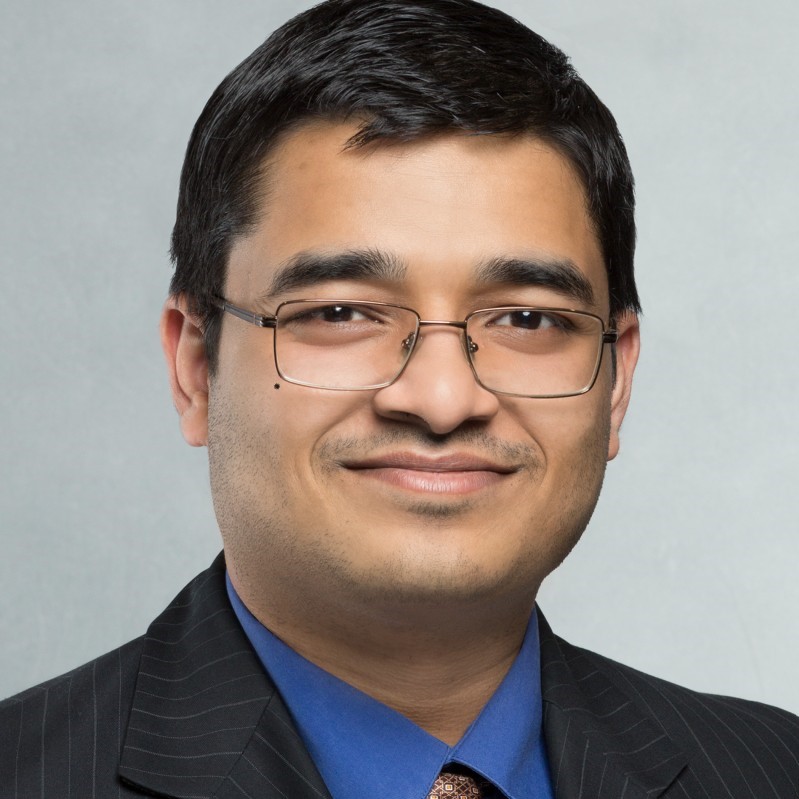 Arunabha Karmakar, MBBS, MCAI, ABHS-AIC, EDAIC, , is an Associate Consultant in the Department of Anesthesiology, ICU, and Perioperative Medicine at Hamad Medical Corporation (HMC), Doha, Qatar, and Assistant Professor of Clinical Anesthesiology at Weill Cornell Medicine-Qatar. He is a fellowship-trained neuroanesthesiologist with clinical interests in advanced airway management, anesthesia for adult neurosurgery, neurointerventional procedures, and complex maxillofacial and head and neck surgery.
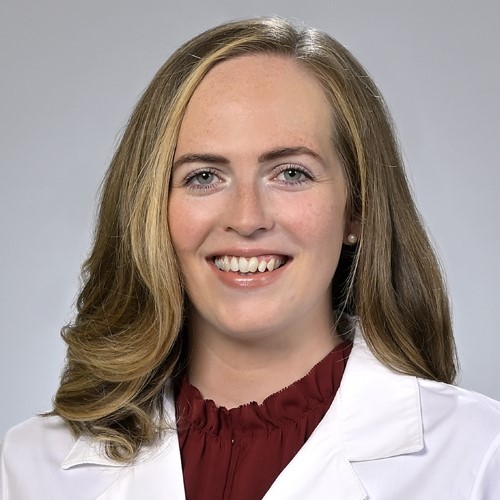 Caoimhe C. Duffy, M.D. is an Assistant Professor of Anesthesiology and Critical Care at the Perelman School of Medicine, University of Pennsylvania, and Director of the Perioperative Care Unit at the Hospital of the University of Pennsylvania.


Education & Scientific Board
- Education Board
- Residency Training
- Stanford ACGME Milestones
- Stanford Portfolio Evaluation
- Learning Objectives
- Learning Objectives (Members only)
- Curriculum
- Portfolio
- Portfolio
(Members only)
- Portfolio
- Assessing Competencies
- Assessing Competencies
(Members only)
- Assessing Competencies
- Fellowship Training
- Library
- Lectures
- Podcasts
- Show and Tell
FEATURED
QUICK CONNECT
SUGGEST and SUBMIT